Our Story

Orchrd wasn't born from a business plan or a market analysis. It grew out of a personal obsession — one that started with a single fig tree and a childhood memory I couldn't shake. This is the story of why it exists.

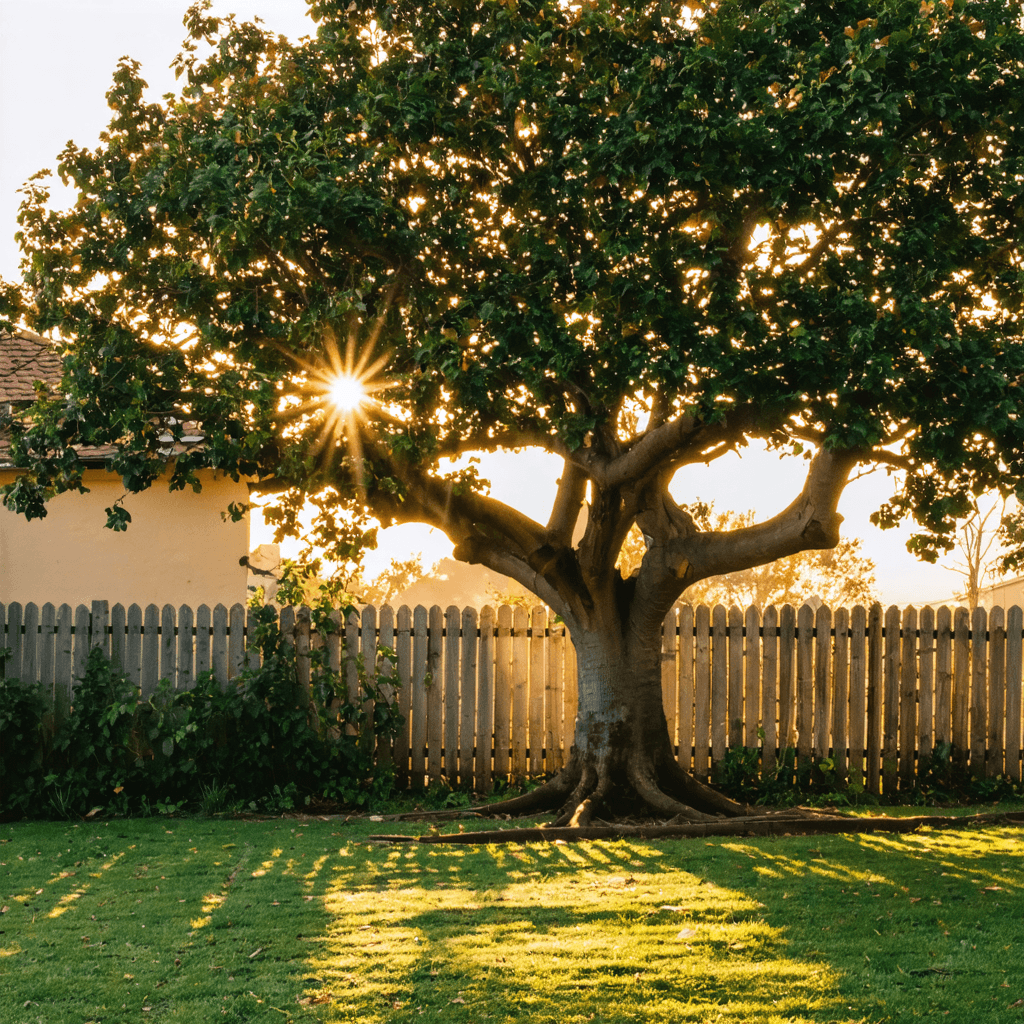
A fig tree in my grandfather's backyard

Golden-hour shot of a mature fig tree in a backyard garden — warm light filtering through broad leaves, a few ripe figs visible on the branches

My love for growing started with a childhood memory — a fig tree in my grandfather's backyard. I can still remember the sweet, sun-ripened figs we'd pluck straight from the branches. The warmth of the fruit in my hand, the way it split open to reveal that deep, honeyed center. Nothing from a grocery store has ever come close.

As I grew older, I tried to recreate that experience with store-bought figs, but the flavor was never the same. For years I thought those memories were simply a reflection of childhood wonder — that nothing could really taste that good, and I was just romanticizing the past.

The cutting that started everything

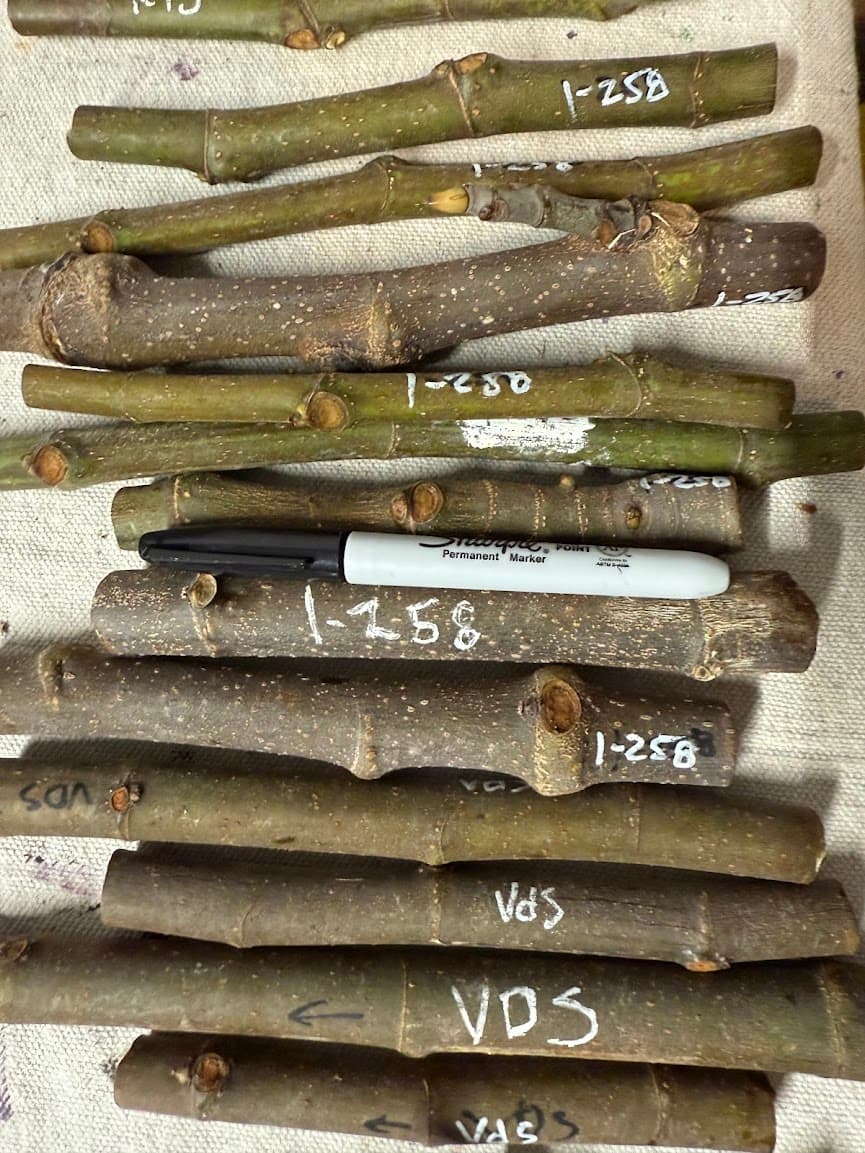
That changed when my grandfather gifted me a small tree grown from a cutting of his own beloved fig tree. I planted it, started researching how to care for it, and discovered something I never expected: an enthusiastic community of fig tree collectors and hundreds — if not thousands — of distinct varieties.

I read other growers' descriptions, saw their photos, and had to have some for myself. I searched for unique varieties for sale or trade and found them online, on social media, and locally. Within a few months, I had acquired over 30 rare, coveted cultivars. A collector's habit was born.
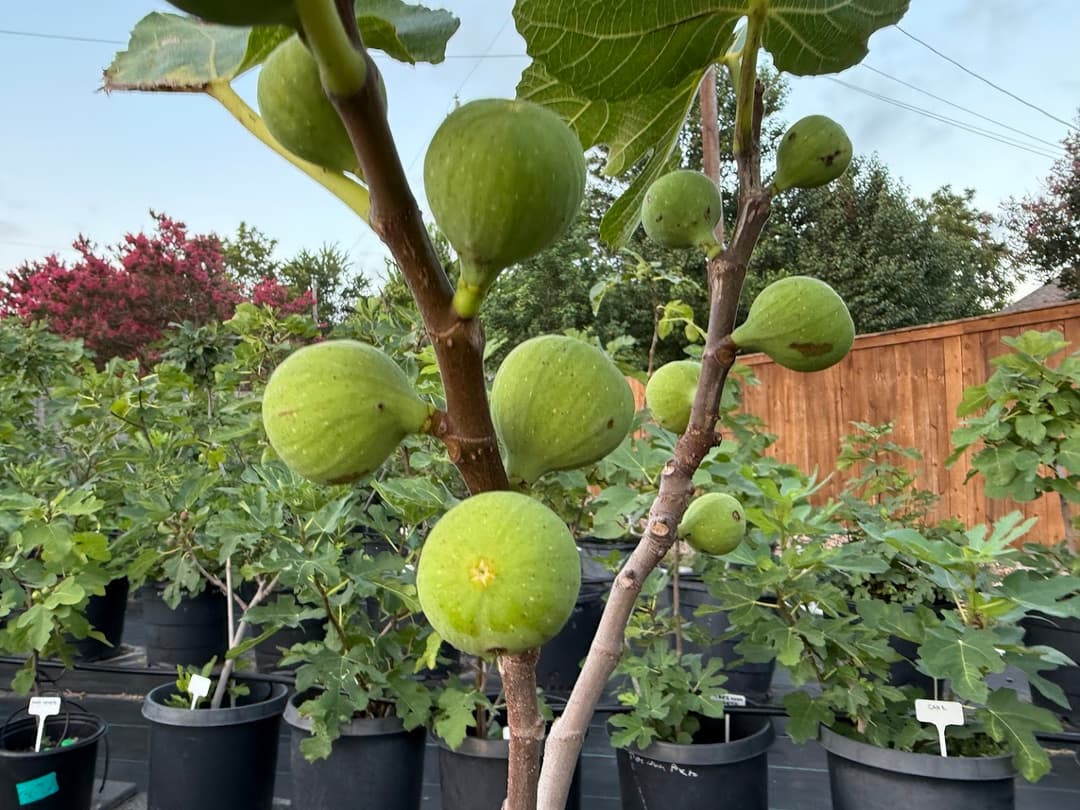
I logged my collection in a spreadsheet, tracking fruiting dates, growth habits, flavor profiles, watering and fertilizing schedules. Every new variety came with its own quirks — different soil preferences, pruning needs, fruiting windows. The spreadsheet worked at first, but the more my collection grew, the harder it was to keep up.

Trading was exciting — and messy

I kept my wishlist in a spreadsheet, too. I'd manually share it with other collectors and scroll through social media looking for someone who had what I wanted — and who also wanted what I had. It was fun and exciting, but messy and disorganized. Finding a mutual match felt like searching for a needle in a haystack. Trades were a nice idea, but incredibly hard to actually make happen.

And trust was an even bigger problem. Most collectors buy from other individuals, not big-box stores or large nurseries with return policies. You have to trust that the person you're buying from or trading with is giving you what they claim. Sometimes you wait two or three years for a plant to fruit before you can verify it's the variety you were told. If it turns out the seller was wrong — by mistake, or as a deliberate scam — you have no real recourse. I watched new collectors get taken advantage of by dishonest sellers on eBay and Etsy, and there was nothing anyone could do about it.

A revelation

When my first Black Madeira fig finally ripened, it was like a revelation. The flavor hit me the way my grandfather's figs had all those years ago — rich, complex, extraordinary. Fresh figs truly are something special, and the only way to experience their full flavor is to grow them yourself. That moment erased any doubt. This wasn't just a hobby. This was something worth building around.

From hobby to backyard nursery

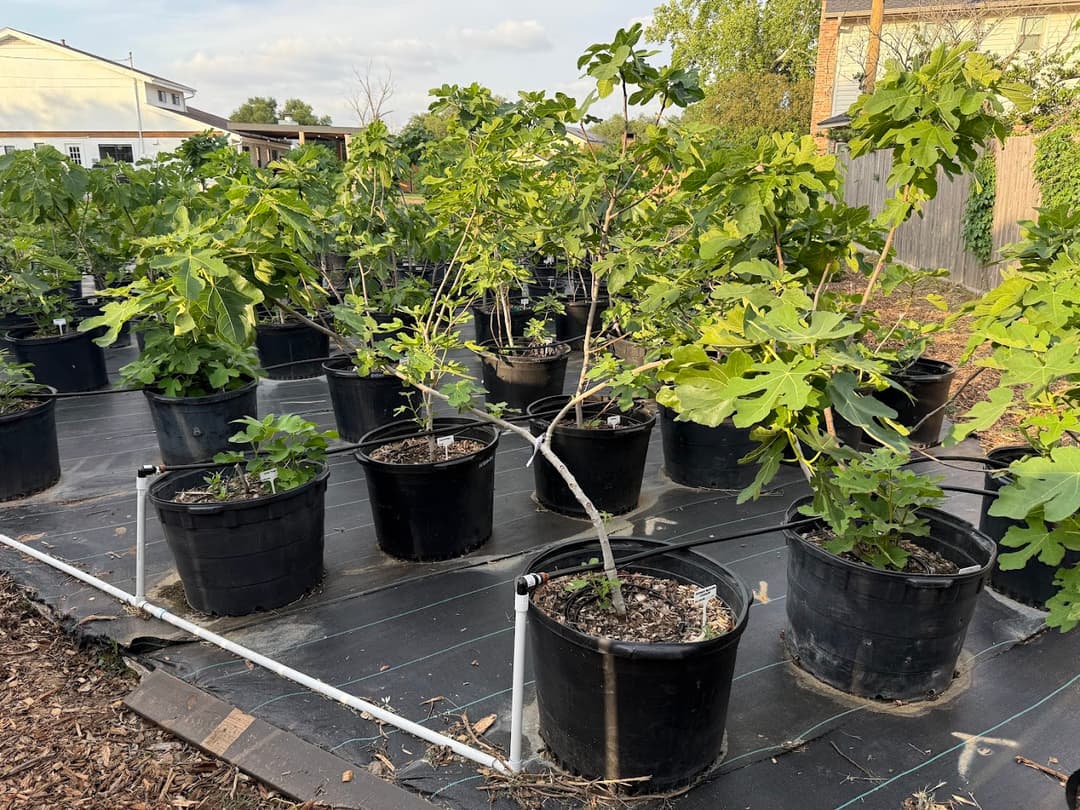
Backyard nursery scene — rows of potted fig trees on shelves, handwritten variety labels, packing supplies nearby. Scrappy and real, not commercial.

That fall, I acquired over 200 mature fig trees from a local collector — all different varieties. Suddenly, my little side hobby had become a small backyard orchard. I was excited to have so many unique trees to share with others, but managing a backyard nursery as a side project was far more work than I anticipated.

I started selling cuttings on Facebook Marketplace. Constant posting, following up on comments and messages, sharing Venmo requests — it was a lot of work for very little reward. I knew I wouldn't retire on cutting sales, but I hoped to at least cover my growing costs each season. To do that properly, I'd need something more than social selling.

So I formed an LLC. Bought a domain. Launched a Shopify store. Created a Google account for customer email. The costs added up to over $1,000 per year — decimating the modest profits from what was supposed to be a side hobby. Side-hobby growers shouldn't need enterprise tooling just to share what they grow.
So I built Orchrd

I needed something that could do everything — manage my collection, connect me with other growers, and give me a low-cost way to sell — all in one place. Nothing like that existed. So I built it.

Orchrd started as the tool I wished I had from day one. A place to track every plant, every observation, every care log. A way to discover what other collectors are growing and propose trades without spreadsheet gymnastics. A storefront that doesn't cost a thousand dollars a year to run.

And then I decided to share it with growers around the world.


Our philosophy

Plant naming is complex. The same plant can have multiple valid names — accepted scientific names, synonyms, trade names, and regional common names. Rather than enforcing a single “correct” name, Orchrd takes a soft-truth approach: we store all name claims and let the community surface alternatives. Names are pointers to identity, not declarations of absolute truth. We will never tell the community they are wrong — we show alternatives and let knowledge emerge naturally.

Provenance is central to our mission. Every plant on Orchrd carries a chain-of-custody history. Purchases, trades, transfers — that lineage is recorded permanently. When you buy a rare cultivar, you can see where it came from. When you sell one, the buyer knows your track record. This is the kind of trust this community has always deserved but never had the tools to build.

Above all, Orchrd is community-first. The platform grows with you — from your first cutting to your backyard nursery to whatever comes next. Whether you have three plants or three hundred, it's built for the way collectors actually think about their collections: not rows and columns, but photos, observations, and stories that capture each plant's journey.

Pricing

  • Free tier — Track up to 10 plants at no cost
  • Grower plan — $60/year for unlimited plants
  • Marketplace — Free to list and sell, no platform fees on listings

Contact

Have questions, feedback, or just want to talk plants? Visit our contact page or reach out at hello@myorchrd.app.